By Chris McCall Realty
Of all the design decisions you make in a home, lighting is the one with the most leverage — and the one most often treated as an afterthought. We've walked through hundreds of homes across Gainesville and the Lake Lanier area, and the difference between a space that feels right the moment you walk in and one that doesn't often comes down to how it's lit. These home lighting tips will help you use light as an active design tool, not just a utility.
Key Takeaways
- Effective lighting combines three layers: ambient, task, and accent — each serving a distinct purpose
- Fixture selection has become as important as furniture in defining a room's character
- Bulb color temperature has a dramatic effect on how warm or cool a space feels
- Strategic use of natural light, mirrors, and dimmers can transform a home without major renovation
Understand the Three Layers of Lighting
This is where every great lighting plan starts. Most rooms rely on a single overhead light source — and that's precisely why so many rooms feel flat, harsh, or uninviting no matter how well-furnished they are. The solution is layering: combining multiple light sources at different heights and intensities to create depth, warmth, and flexibility.
Ambient lighting is the foundation — the general illumination that fills a room with an even base of light. Think recessed ceiling lights, a central pendant, or an overhead fixture. Task lighting serves specific activities: reading, cooking, working — it's the lamp beside the sofa, the under-cabinet lighting in the kitchen, the sconce beside the bed. Accent lighting is the finishing layer — directed at artwork, architectural features, bookshelves, or textural elements you want to draw the eye toward.
When all three work together, a room shifts from functional to genuinely atmospheric.
How to layer lighting effectively in each main living space:
- Living room: Recessed ambient lighting on a dimmer, table lamps flanking the sofa, and accent lighting directed at art or shelving
- Kitchen: Overhead ambient lighting plus under-cabinet task lighting for countertops — these two together make an enormous difference
- Primary bedroom: Soft overhead ambient light paired with bedside table lamps or wall-mounted sconces
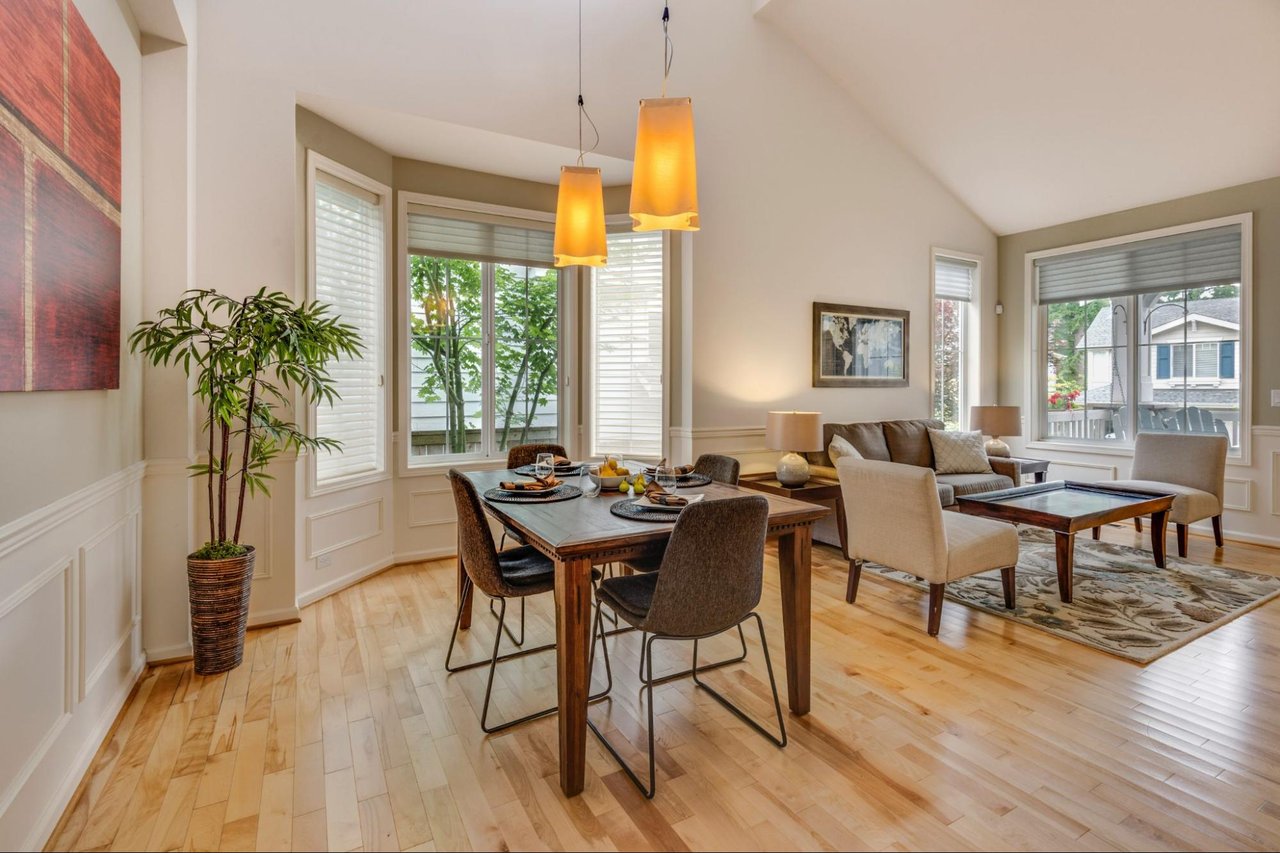
- Dining room: A statement pendant centered over the table, dimmed low for evening meals, with additional ambient sources for everyday use
Make Your Fixtures Work as Design Elements
In well-designed homes today, light fixtures are furniture. A sculptural pendant above the dining table, an oversized chandelier in the entry, or a pair of dramatic sconces flanking a fireplace all function as design anchors — pieces that establish the personality of a space the way a statement sofa or a great rug does.
The key is restraint elsewhere. When a fixture is doing real visual work, the surrounding elements should support it rather than compete with it. One strong pendant in a kitchen nook does more for the space than three ordinary ones, and it does it with a fraction of the visual noise.
Fixture choices that make a design statement in key rooms:
- Organic-shaped or handcrafted pendants in kitchens, dining rooms, and entry foyers
- Oversized chandeliers scaled to the room — undersized fixtures are one of the most common mistakes
- Wall sconces used as functional art in hallways, primary bathrooms, and living rooms
- Floor lamps with sculptural bases that serve as both light source and decorative object
Get Bulb Color Temperature Right
This is one of the most impactful and least understood lighting decisions in most homes. Bulb color temperature — measured in Kelvins — determines whether a room feels warm and inviting or cool and clinical, and getting it wrong undermines every other design decision in the space.
Warm white bulbs in the 2700K–3000K range produce the soft, amber-toned light that makes living spaces, bedrooms, and dining areas feel welcoming. Cool white or daylight bulbs in the 4000K–5000K range are better suited to task-heavy spaces like home offices, garages, and laundry rooms where clarity matters more than ambiance. Mixing warm and cool sources in the same room creates a jarring, unresolved feeling — consistency matters.
Color temperature guidelines by room type:
- Living rooms and bedrooms: 2700K–3000K for warm, relaxed ambiance
- Kitchens: 3000K–3500K — warm enough to feel inviting, bright enough for food prep
- Home offices and workspaces: 4000K–5000K for focused, clear task lighting
- Bathrooms: 3000K around the vanity for accurate color rendering without harshness
Use Dimmers Everywhere You Can
If there's a single lighting upgrade that delivers the most value for the investment, it's adding dimmer switches throughout the main living areas and bedrooms. Dimmers give you complete control over the mood of a room at any hour, and they allow the same space to function beautifully for a bright weekend morning and a candlelit dinner without any furniture rearrangement.
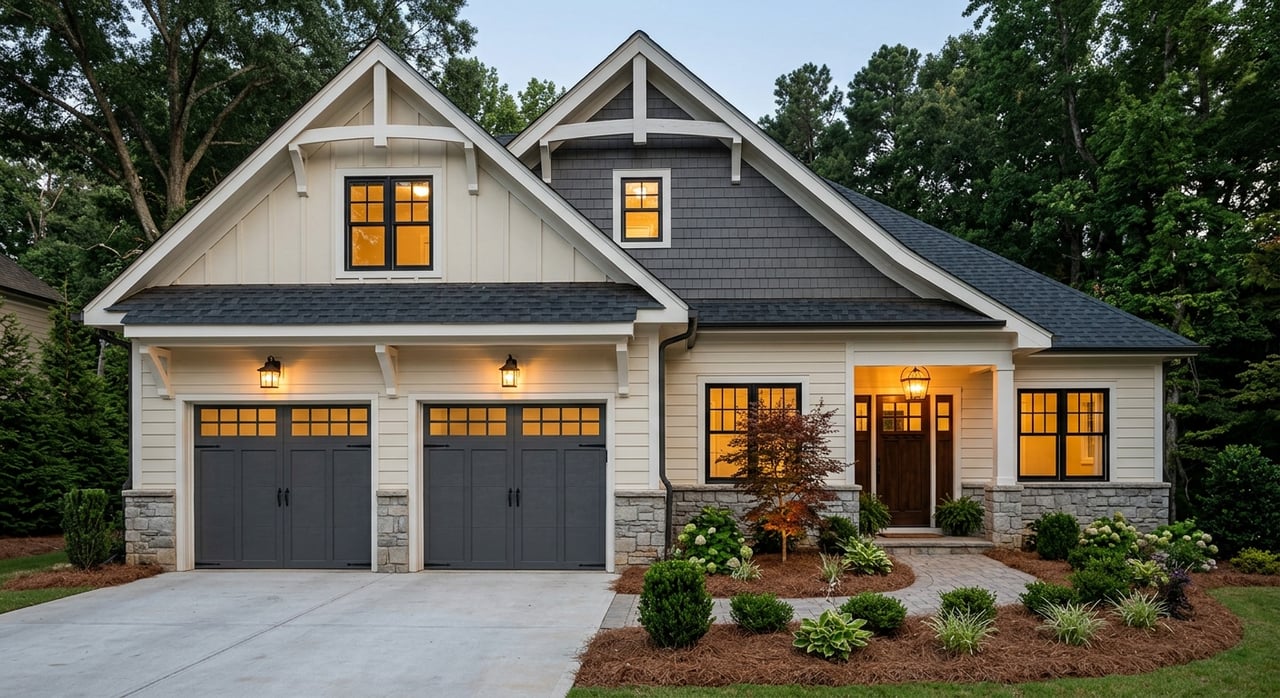
Most standard light switches can be replaced with dimmers in an afternoon, and the change in how a home feels at different times of day is immediate and significant. In homes being prepared for sale, we always encourage sellers to install dimmers before listing — a room shown at evening with warm, dimmed light makes a very different impression than the same room under flat overhead fluorescents.
Spaces where dimmers have the most impact:
- Main living and dining areas for flexibility across activities and times of day
- Primary bedrooms where the transition from functional to relaxed matters
- Foyer and entry spaces where the first impression is set
- Kitchen lighting, particularly overhead fixtures that can feel harsh at full intensity
Maximize and Amplify Natural Light
No artificial lighting strategy fully replaces the effect of well-managed natural light. In Gainesville homes, where the landscape and light quality shift beautifully across seasons, making the most of natural light is one of the most valuable design choices a homeowner can make.
Keep window treatments light and layered so you can control the quality and quantity of natural light without blocking it entirely. Use mirrors strategically — a large mirror placed directly across from a window bounces light deep into the room, effectively doubling the sense of brightness. Lighter wall colors and satin or semi-gloss finishes reflect natural light more effectively than matte finishes and darker tones.
Practical ways to maximize natural light in a Gainesville home:
- Layer sheer curtains beneath heavier drapes so you can filter without blocking
- Place large mirrors on walls that receive the most natural light
- Use light-toned paint in warm whites and soft neutrals on walls and ceilings
- Keep windowsills and ledges clear so light enters the room unobstructed
- Consider glass-paneled interior doors where privacy allows to carry light through the home
FAQs
How much does it cost to meaningfully improve the lighting in a home?
It varies widely depending on scope, but some of the most impactful changes are also the most affordable. Swapping bulbs to the right color temperature costs almost nothing. Adding dimmer switches is a modest expense with immediate results. Replacing an outdated ceiling fixture with a statement pendant is typically a few hundred dollars installed — and the visual impact can be transformative.
What's the most common lighting mistake homeowners make?
Relying on a single overhead light source in main living areas. It creates flat, harsh illumination that makes even beautifully furnished rooms feel uninviting. The fix is layering: add a table lamp, a floor lamp, or a pair of sconces, and the same room immediately feels warmer and more dimensional.
Does lighting really matter when selling a home?
Significantly. Lighting affects how buyers experience a home during showings, and it shapes the photography that drives online traffic. Homes with warm, layered, well-lit interiors consistently show better and photograph better than those relying on overhead lighting alone. It's one of the first things we address when helping our clients prepare a home for the market.
Reach Out to Chris McCall Realty Today
Whether you're designing your current home, thinking about updates before a sale, or searching for a property in Gainesville that already has the bones you're looking for, our team is here to help.
Reach out to us at Chris McCall Realty and let's start the conversation about your next move in Gainesville and the Lake Lanier area.